
Contract Signing: Understanding the Process and Benefits
Originally published on 21 September 2023. Last updated on 22 December 2025.
Contracts are the backbone of business and legal agreements. Whether you’re signing a lease, entering a business partnership, or finalizing sales contracts, understanding the intricacies of the contract signing process is crucial. In this article, we’ll explore the nuances of signing a contract, the various methods of contract signing (including electronic contract signing), and the benefits of using electronic signatures with platforms like DottedSign.
What it Means to Sign a Contract
Signing a contract is a legally significant act that confirms informed consent, creates a binding commitment, and finalizes the agreement’s legal standing.
When you sign a contract, you’re doing more than just adding your name to a document. You’re indicating your understanding and agreement to the terms within. It represents the “meeting of the minds”—a core legal concept indicating that all parties involved have read, understood, and mutually consented to the terms and conditions laid out within the agreement. Here’s what it means to sign a contract:
- Consent: Your signature signifies your voluntary agreement to the terms and conditions of the contract.
- Commitment: It’s a commitment to fulfill your obligations as outlined in the contract.
- Accountability: Your signature holds you accountable for meeting the terms of the agreement.

Why is Signing a Contract Important?
Signing a contract is not a mere procedural step; it is the critical action that provides legal protection and clarity for all parties. An unsigned agreement is often little more than a statement of intent, whereas a signed contract is a powerful legal instrument.
- Its importance stems from several key functions:Legal Clarity: A contract clearly outlines the rights, responsibilities, and expectations of all parties involved, reducing misunderstandings and potential disputes.
- Enforceability: A signed contract is legally binding. It provides a legal framework for addressing breaches or disputes.
- Protection: Contracts protect the interests of both party game. They define what each party can expect and what actions are required to fulfill the agreement.
Foundation for Trust: A properly executed contract establishes a professional and trusting foundation for the business relationship, ensuring all parties are aligned from the start. Effective contract management throughout the contract lifecycle begins with a properly signed document.
What Does “Your Signature” Mean?
Your signature is a unique mark that carries significant legal weight, serving as a symbol of your identity and your intent to be bound by an agreement. Whether it’s a traditional wet ink signature or a modern electronic one, it carries several distinct implications in a legal context.
- Authentication and Intent: Your signature authenticates the document, confirming that it has been reviewed and agreed upon by you.
- Binding Agreement: It transforms the document from a proposal to a legally binding agreement.
- Assumption of Responsibility: By signing, you accept the responsibilities and obligations outlined in the contract.
- Legal Authority: When signing on behalf of an organization, your signature in the designated signature block asserts that you possess the legal authority to bind the company to the terms of the agreement. Misrepresenting this authority can lead to personal liability.
What Does Electronic Signature Mean?
Electronic signatures operate on similar principles but in the digital realm. An electronic, or digital signature is a secure and legally recognized way of signing documents online. It carries the same weight as a handwritten signature but offers the advantages of convenience and efficiency in the modern age. Electronic signatures use encryption and authentication methods to ensure the document’s integrity and the identity of the signer.
Can You Back Out of a Contract After Signing?
A common question is whether you can back out of a contract after it has been signed. The answer depends on several factors:
- Terms and Conditions: It’s imperative to carefully scrutinize the contract for specific clauses allowing for cancellation or termination under particular conditions.
- Legal Requirements: In some instances, certain contracts, such as real estate transactions, are bound by legal prerequisites that make exiting the contract a complex endeavor.
- Mutual Agreement: In exceptional cases, all parties may mutually agree to nullify the contract, but this usually necessitates unanimous consent.
- Breach of Contract: If the other party breaches the contract, you might find grounds for contract termination, although it’s prudent to seek legal counsel for guidance.
- Invalidating Factors: A contract may be voidable if it was signed under duress, fraud, misrepresentation, or if one party lacked the legal capacity to sign.
- Impossibility of Performance: If unforeseen circumstances make it impossible to fulfill the terms of the contract, it may be terminated.
Navigating these complexities requires careful legal analysis, and it is always advisable to consult with a business attorney or law firm before attempting to withdraw from a signed contract.
What Are the 5 Types of Contracts?
Contracts can take various forms depending on the nature of the agreement and the parties involved. Below are some common types of contracts:
- Independent Contractor Agreements: Independent contractor agreements are contracts between a company or individual and an independent contractor. This type of contract outlines the terms of the working relationship, payment details, and the contractor’s obligations.
- Academic Agreements: Academic agreements are contracts that govern collaborations between educational institutions, such as research partnerships, exchange programs, or joint degree programs. These contracts lay out the responsibilities, resources, and objectives of each party involved.
- Financial Investment Contracts: Financial investment contracts are agreements between investors and financial institutions or individuals. These contracts outline the terms of the investment, including the expected returns, risk allocation, and any applicable fees or commissions.
- Memoranda of Understanding (MoUs): MoUs are commonly used in the business and government sectors as preliminary agreements or intentions to enter into a formal contract. These agreements express a mutual understanding between parties and provide a framework for further negotiations and final contract terms.
- Delegation of Authority Contracts: Delegation of authority contracts delegates decision-making power from one party to another, allowing the delegate to act on behalf of the delegator. This type of contract defines the scope of the delegated authority and sets any necessary limits or conditions.
It is essential to choose the appropriate contract type based on the specific circumstances and requirements of the agreement to ensure clear expectations and legal protection for all parties involved. If you are planning to work with a SaaS marketing agency, consider opting for a well-defined service level agreement (SLA) or a detailed statement of work (SOW).
Signing a Contract: The Process
The contract signing process involves several essential steps:
- Draft the Contract: Create a comprehensive and clear contract outlining all terms and conditions.
- Identify Parties: Clearly state the names and roles of all parties involved.
- Signature Lines: Add signature lines for each party and a date line for when the contract is signed.
- Review and Understand: All parties should carefully read and understand the contract before signing.
- Sign and Date: Sign the contract in the designated areas, and include the date of signing.
- Witnesses and Notarization: Depending on the type of contract and local laws, you may need witnesses or notarization for added validity.
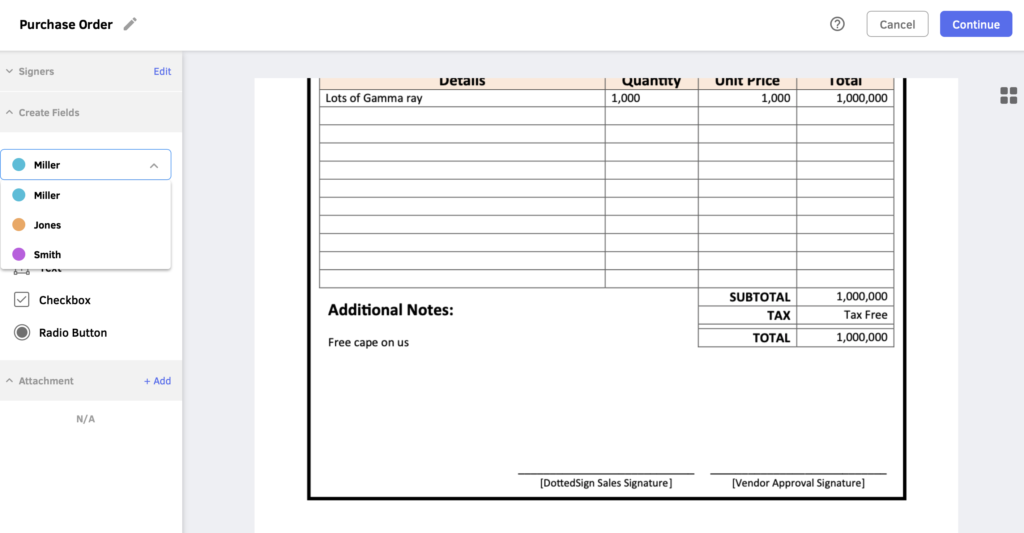
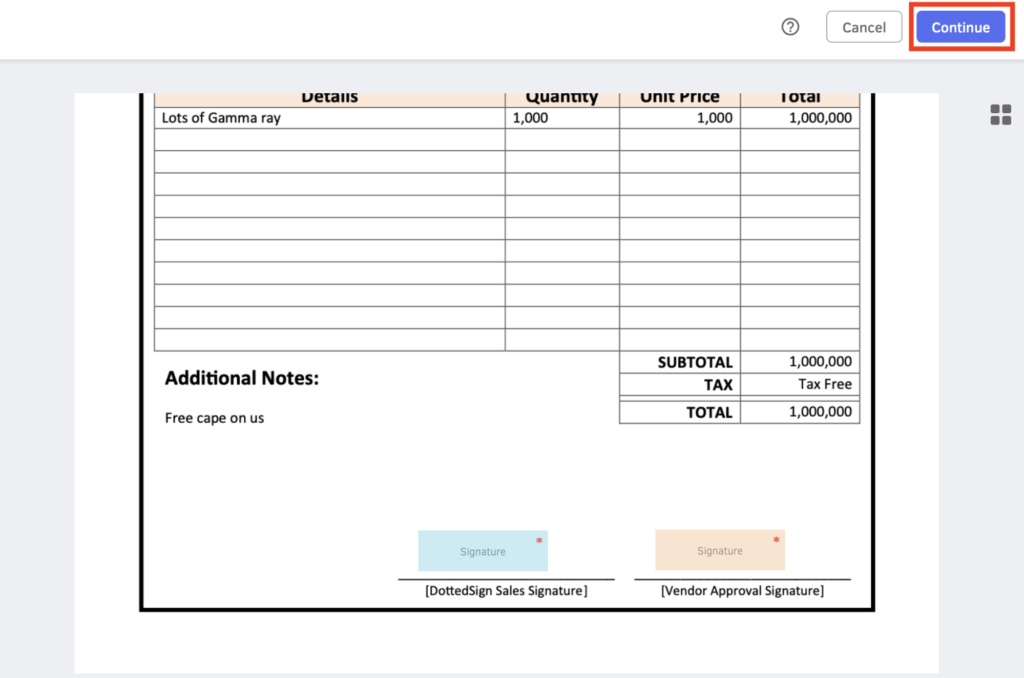
Electronic Contract Signing: A Modern Solution
Electronic signatures have revolutionized the way contracts are signed and have become increasingly popular in today’s digital world due to their efficiency and convenience
An electronic signature, also known as an e-signature, is a digital representation of a person’s physical signature that can be used to sign legally binding documents online. Platforms like DottedSign offer secure and user-friendly solutions for electronic signatures. Some benefits of electronic contract signing include:
- Faster Transactions: Electronic signatures reduce the time required for contract completion.
- Improved Security: Advanced encryption and authentication methods ensure the security of electronic signatures.
- Cost Savings: Eliminate the need for physical paperwork and postage, saving both time and money.
- Accessibility: Sign and access contracts from anywhere, using any device with an internet connection.
DottedSign: Your Ultimate Electronic Signature Solution
Understanding the contract signing process, the types of contracts, and the benefits of digital signatures can streamline your business transactions and enhance efficiency. Whether you choose traditional methods or embrace electronic signatures with platforms like DottedSign, proper contract management is key to successful agreements.